Are you aware that incorporating exercise for overall wellness into your daily routine can significantly enhance your quality of life? Many believe that strength training is only for athletes or those looking to bulk up, but the long term benefits of strength training extend far beyond the gym.
Engaging in regular strength training can improve bone density, boost metabolism, and enhance overall physical and mental health. As a beginner, getting started can seem daunting, but with the right guidance, you can embark on a journey that leads to a healthier, more resilient you.
Key Takeaways
- Regular strength training improves bone density and overall physical health.
- Incorporating exercise into your routine can boost your metabolism.
- Strength training has mental health benefits, including reduced stress and anxiety.
- Beginners can start with simple exercises and progress gradually.
- A well-planned strength training routine can enhance overall wellness.
Understanding Strength Training for Long-Term Health
Understanding the principles behind strength training is essential for harnessing its potential to improve long-term health outcomes. Strength training, also known as resistance training, is a form of exercise that focuses on building muscle mass and endurance. By engaging in regular strength training, individuals can experience significant improvements in their overall health and wellbeing.
The Science Behind Muscle Development
Muscle development occurs through a process known as muscle hypertrophy, where muscle fibers grow and increase in number. Resistance training stimulates this process by causing micro-tears in the muscle fibers, which then repair and rebuild, leading to increased muscle mass. Proper nutrition and adequate rest are crucial for supporting muscle growth. A well-balanced diet that includes sufficient protein is essential for providing the necessary building blocks for muscle development.
How Resistance Training Impacts Aging
As we age, our bodies naturally undergo a decline in muscle mass and strength, a condition known as sarcopenia. Resistance training has been shown to combat this process by building and maintaining muscle mass, thereby supporting overall health and mobility in older adults. Regular strength training can also improve bone density, reducing the risk of osteoporosis and fractures.
| Benefits of Resistance Training | Impact on Aging |
|---|---|
| Increased Muscle Mass | Reduces sarcopenia |
| Improved Bone Density | Decreases risk of osteoporosis |
| Enhanced Metabolic Health | Supports overall wellbeing |
By understanding the science behind strength training and its impact on aging, individuals can harness the benefits of resistance training to improve their long-term health outcomes. As highlighted by the
“Regular exercise is a cornerstone of a healthy lifestyle, and strength training is a vital component of that.”
, incorporating strength training into one’s routine can have a significant impact on overall health.
Key Benefits of Regular Strength Training
Strength training is not just about building muscle; it’s a comprehensive approach to improving health and longevity. By incorporating strength workouts into your routine, you can experience significant improvements in both physical and mental well-being.
Physical Health Improvements
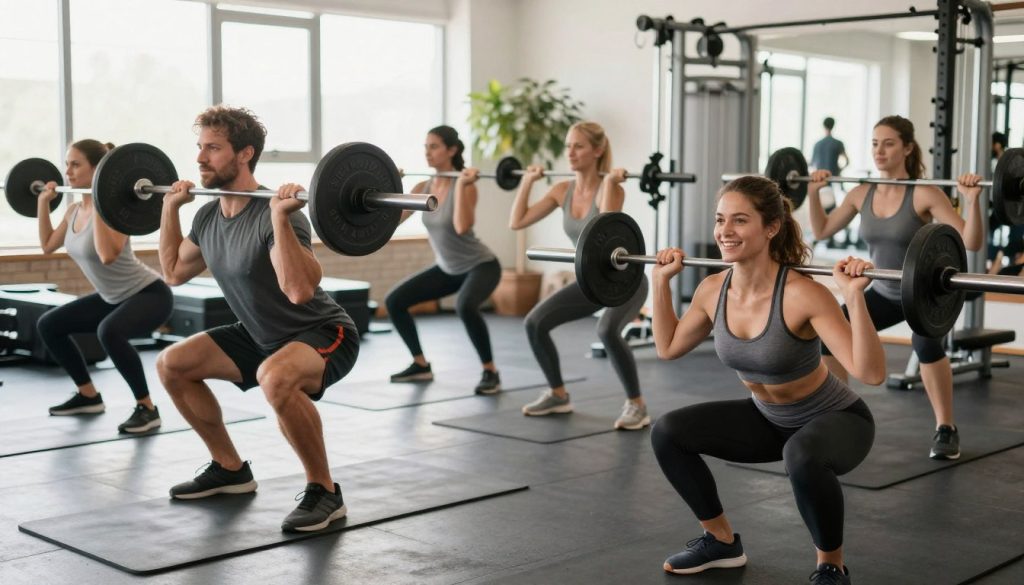
Regular strength training can lead to significant physical health improvements, including increased muscle mass, stronger bones, and enhanced metabolic function. As noted by the American Council on Exercise, “Resistance training is a critical component of a well-rounded fitness program.”
Mental Health Advantages
The mental health advantages of strength training are equally impressive. Exercise has been shown to reduce symptoms of anxiety and depression, improve mood, and even enhance cognitive function. As
“Exercise is a potent tool for improving mental health and well-being.”
This is a testament to the holistic benefits of strength training.
Disease Prevention and Longevity
Strength training plays a crucial role in disease prevention and longevity. By improving insulin sensitivity, reducing blood pressure, and enhancing cardiovascular health, regular strength workouts can significantly reduce the risk of chronic diseases. It’s a key component of a long and healthy life, contributing to overall wellness and longevity.
Getting Started: Essential Equipment for Beginners
Embarking on a strength training regimen can be as simple as using your own body weight. This approach not only saves money but also allows you to master the basics before investing in any equipment. Strength training is a crucial aspect of staying healthy with exercise and contributes significantly to strength training for long term health.
No-Equipment Bodyweight Options
You can start strength training without any equipment by using bodyweight exercises. These include push-ups, squats, lunges, and planks. Such exercises are effective for building strength and can be done anywhere.
Basic Home Equipment Recommendations
For those who prefer to work out at home, there are several basic equipment options. Resistance bands and dumbbells are affordable and versatile, allowing for a variety of exercises.
Navigating Gym Equipment
If you decide to join a gym, you’ll have access to a wide range of equipment. Start by familiarizing yourself with the different machines and free weights. It’s a good idea to ask for a tour or guidance from gym staff to ensure you’re using the equipment correctly.
| Equipment Type | Benefits | Examples |
|---|---|---|
| Bodyweight | Convenient, cost-effective | Push-ups, squats, lunges |
| Home Equipment | Versatile, affordable | Resistance bands, dumbbells |
| Gym Equipment | Variety, professional guidance | Treadmills, leg press machines |
Fundamental Strength Training Exercises
The journey to a stronger, healthier you starts with learning the essential strength training exercises that form the backbone of any effective workout routine. These exercises are designed to work on different muscle groups, ensuring a balanced development of strength and flexibility.
Upper Body Movements (Push/Pull)
Upper body strength is crucial for daily activities and overall fitness. Push exercises, such as push-ups and bench presses, target the chest, shoulders, and triceps. On the other hand, pull exercises like rows and pull-ups focus on the back and biceps. Incorporating both push and pull exercises into your routine helps maintain muscle balance and prevents injuries.
Lower Body Exercises (Squat/Hinge)
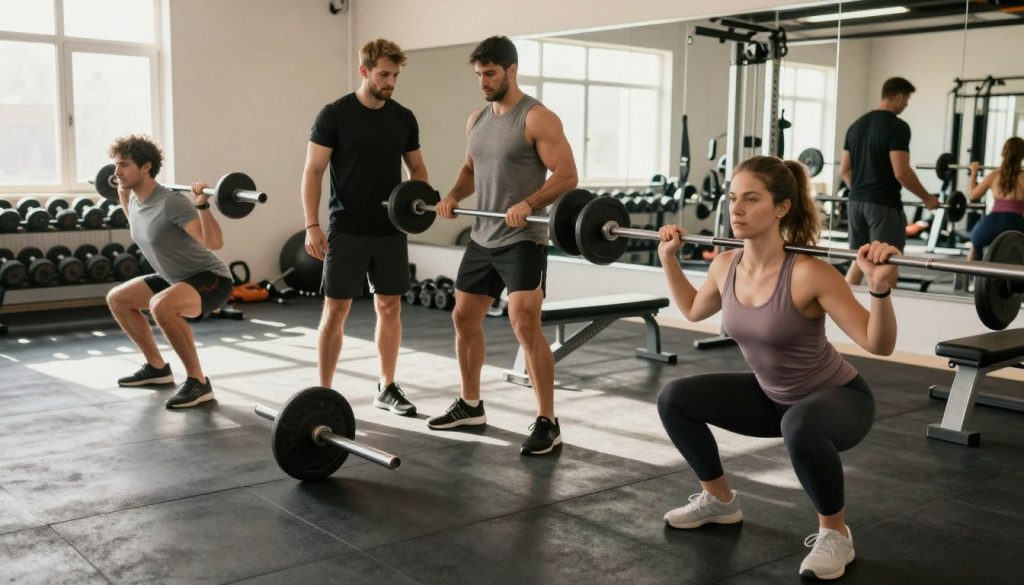
Lower body exercises are vital for building strength in the legs and glutes. Squats are a fundamental exercise that works on the quadriceps, hamstrings, and glutes. Deadlifts and lunges, categorized under hinge movements, target the hamstrings, glutes, and lower back. These exercises are essential for improving mobility, balance, and overall lower body strength.
Core Strengthening Basics
A strong core is the foundation of all movement and stability. Exercises like planks and Russian twists target the abdominal muscles, while leg raises and bicycle crunches engage the obliques. A well-developed core enhances posture, reduces the risk of injury, and improves overall athletic performance.
Building Your First Strength Training Routine
Creating an effective strength training routine requires understanding the basics of frequency, duration, and balance. To start, it’s essential to determine how often you should train and for how long.
Frequency and Duration Guidelines
For beginners, it’s recommended to start with 2-3 strength training sessions per week, targeting all major muscle groups. Each session should last around 30-45 minutes, allowing for adequate rest and recovery time between workouts.
Sample Weekly Workout Plans
A sample weekly plan could include:
- Monday: Upper body strength training
- Wednesday: Lower body strength training
- Friday: Core strength training
This plan allows for rest days or cardio activities on other days, promoting a balanced fitness routine.
Balancing Strength Work with Cardio
It’s crucial to balance strength training with cardio exercises for overall fitness. Aim for at least 150 minutes of moderate-intensity cardio per week, alongside your strength training routine.
| Day | Activity | Duration |
|---|---|---|
| Monday | Upper Body Strength Training | 30-45 minutes |
| Tuesday | Cardio (Jogging or Cycling) | 30-60 minutes |
| Wednesday | Lower Body Strength Training | 30-45 minutes |
| Thursday | Cardio (Swimming or Rowing) | 30-60 minutes |
| Friday | Core Strength Training | 30-45 minutes |
By following this balanced approach, you can improve your overall health with strength training and enjoy the benefits of weightlifting, such as increased muscle mass and bone density.
Proper Form and Safety Techniques
To get the most out of strength workouts for health, it’s essential to focus on proper form and safety. Proper form ensures that you’re targeting the correct muscles and minimizing the risk of injury, which is crucial for achieving the long term benefits of strength training.
Common Form Mistakes to Avoid
Many beginners make the mistake of lifting too much weight too soon, compromising their form in the process. Common form mistakes include arching the back during deadlifts, letting the knees extend past the toes during squats, and not fully extending the arms during push-ups. To avoid these mistakes, start with lighter weights and focus on controlled movements.
- Keep your core engaged to support your back.
- Use a full range of motion to maximize muscle engagement.
- Avoid jerky movements that can strain muscles.
When and How to Use Spotters
A spotter is someone who assists you during a lift, providing support and help if needed. Spotters are particularly useful for exercises like bench presses and squats, where losing control of the weight could result in injury. When using a spotter, communicate clearly about how much help you need, and make sure they’re attentive and ready to assist.
| Exercise | Spotter’s Role | Benefits |
|---|---|---|
| Bench Press | Assist with lifting off and catching the bar if dropped | Reduces risk of barbell falling on chest |
| Squats | Support the barbell and help with balance | Prevents falls and injuries from losing balance |
| Overhead Press | Help stabilize the barbell and catch if dropped | Minimizes risk of head and neck injuries |
Progressive Overload: Advancing Your Training
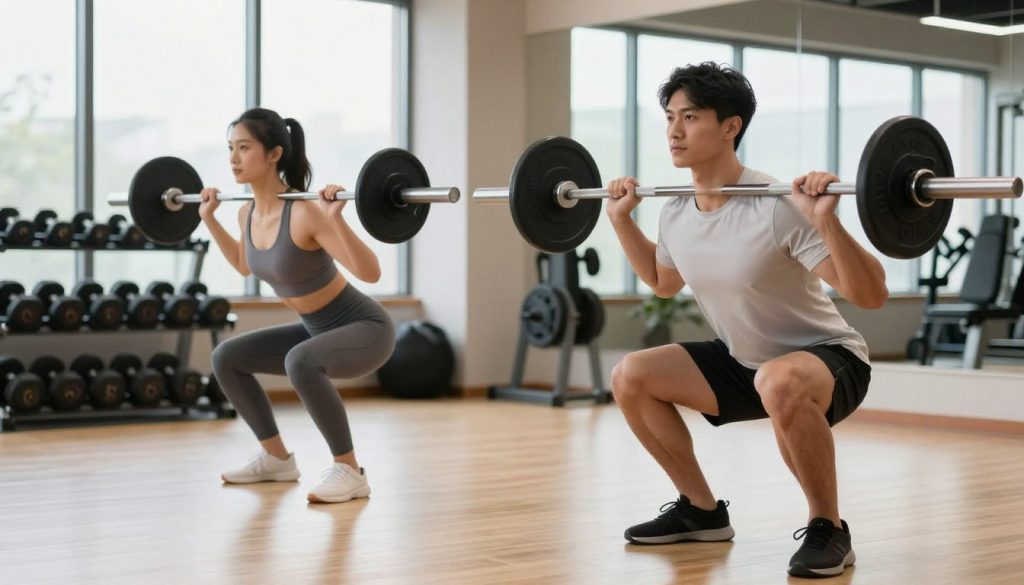
Progressive overload is a crucial concept in strength training that involves gradually increasing the weight or resistance to build muscle and enhance overall fitness. This technique is essential for making continuous progress and avoiding plateaus in your workout routine. By challenging your muscles progressively, you stimulate growth and strength gains, which are vital for muscle building for longevity and staying healthy with exercise.
When to Increase Weight or Resistance
Knowing when to increase the weight or resistance is critical to applying progressive overload effectively. You should consider increasing the load when you can complete the desired number of repetitions with ease and feel that you can do more. This is usually a sign that your muscles have adapted to the current workload. A good rule of thumb is to increase the weight by small increments, such as 2.5 to 5 pounds, to continue challenging your muscles without risking injury.
Modifying Exercises as You Improve
As you get stronger, it’s not just about increasing the weight; it’s also about modifying exercises to continue challenging your muscles. This can involve changing the angle of the exercise, increasing the range of motion, or switching to more challenging variations. For example, progressing from a standard push-up to a diamond push-up or from a bodyweight squat to a weighted squat. Modifying exercises helps keep your workouts interesting and prevents your muscles from adapting to the same routine.
Tracking Progress for Motivation
Tracking your progress is a powerful motivator in strength training. By keeping a workout log, you can monitor the weights you lift, the number of repetitions you complete, and how your body responds over time. Seeing your improvements can boost your confidence and motivation to continue pushing yourself. It’s also helpful to set specific, achievable goals for your strength training, such as increasing your squat or deadlift max, to give you something to work towards.
| Progressive Overload Strategies | Description | Benefits |
|---|---|---|
| Increasing Weight | Gradually add more weight to your lifts | Builds strength and muscle mass |
| Modifying Exercises | Change the exercise to a more challenging version | Keeps workouts interesting and prevents plateaus |
| Tracking Progress | Keep a log of your workouts and progress | Boosts motivation and helps set achievable goals |
Conclusion
As we’ve explored throughout this guide, incorporating strength training into your lifestyle is a powerful step towards achieving long-term health and overall wellness. By understanding the science behind muscle development and the impact of resistance training on aging, you’re equipped to make informed decisions about your fitness journey.
Regular strength training not only improves physical health but also enhances mental well-being and plays a crucial role in disease prevention and longevity. Starting with simple bodyweight exercises or basic home equipment, you can gradually progress to more complex routines, ensuring a sustainable and enjoyable experience.
By adopting a consistent strength training regimen, you’re investing in a healthier, more resilient you. As you continue on this path, remember that every step counts, and the benefits of exercise for overall wellness will become increasingly evident. Take the first step today, and embark on a journey that will positively impact your life for years to come.